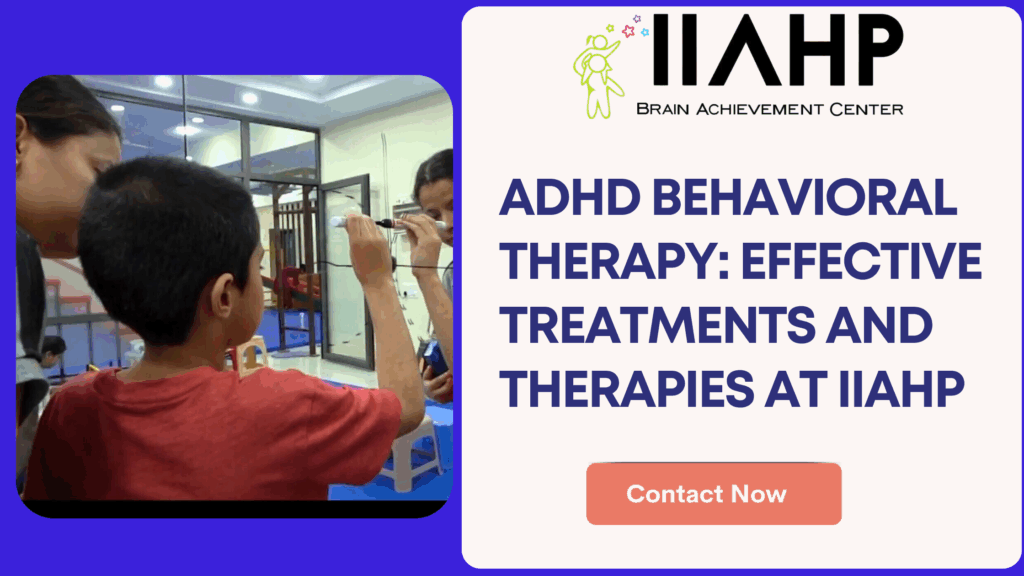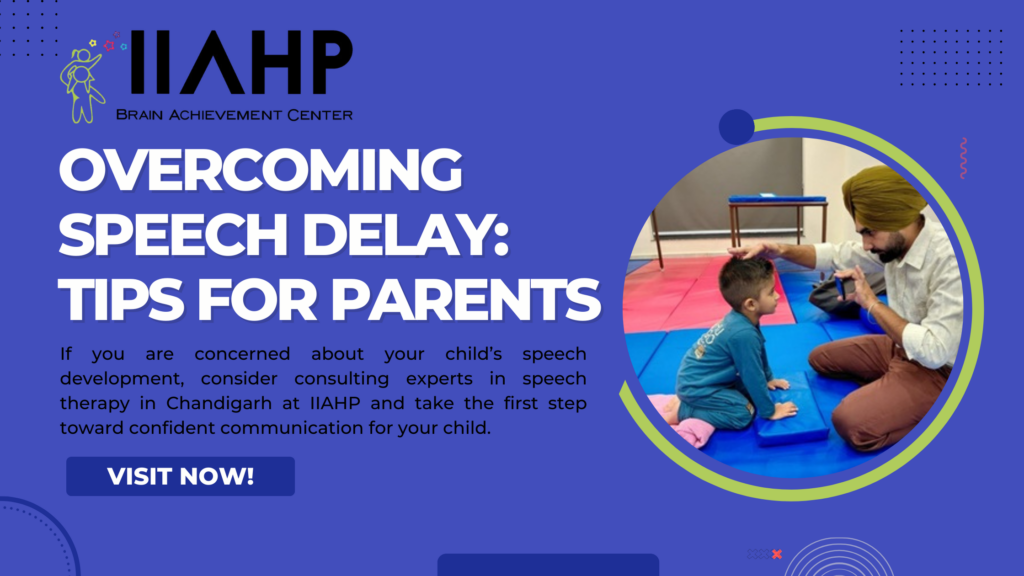


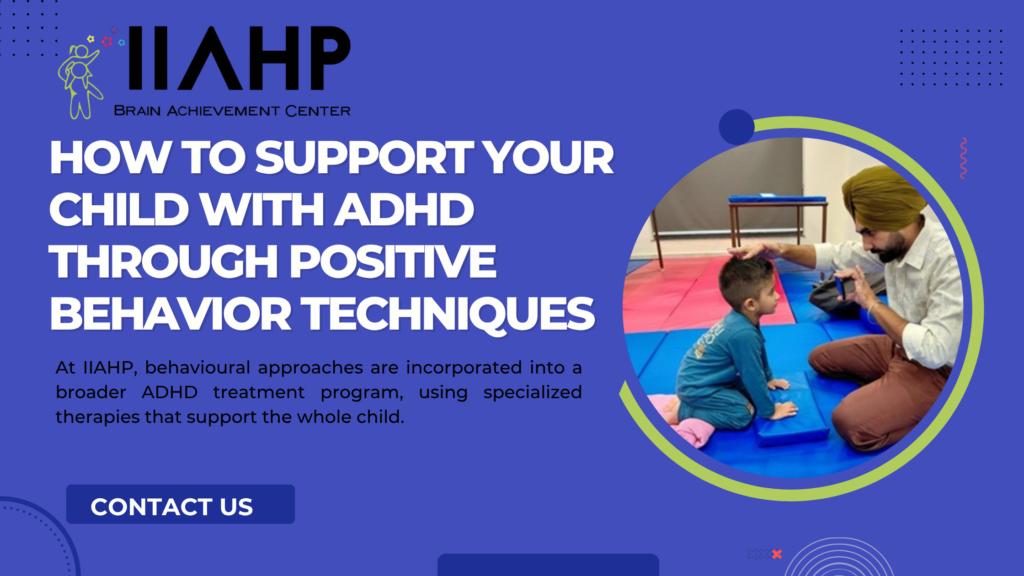
Managing Attention-Deficit/Hyperactivity Disorder (ADHD) can be challenging for families — but with the right strategies and support, children with ADHD can thrive at home, in school, and in social settings. One of the most important components of effective care is ADHD behavioral therapy — a set of structured techniques that help improve focus, reduce disruptive behaviors, and build lasting skills for everyday life.At IIAHP, behavioural approaches are incorporated into a broader ADHD treatment program, using specialized therapies that support the whole child.
Understanding ADHD and the Role of Behavioral Therapy
ADHD is a neurodevelopmental condition marked by patterns of inattention, impulsivity, and hyperactivity. These behaviors can affect learning, social interactions, and daily routines. While medication is often one part of treatment for some children, behavioral therapy is a foundational intervention — especially for younger children and those whose primary needs revolve around behavior management and skill building. ADHD behavioral therapy focuses on teaching children new skills, reinforcing positive behaviors, and helping families implement consistent, supportive routines. It’s effective on its own and can be combined with other therapeutic and developmental strategies.
Core Behavioral Strategies Parents Can Use
Here are practical, research-supported strategies parents can begin using today:
1. Set Clear Expectations and Routines
Children with ADHD benefit from structured environments and predictable routines. Create a daily schedule with specific times for waking up, meals, play, homework, and bedtime. Visual schedules can help children understand and follow expectations more easily.
2. Use Positive Reinforcement
Reward systems are central to behavioral therapy. Reward desired behavior (like completing tasks or staying seated during homework) with praise, tokens, stickers, or extra playtime. Positive reinforcement increases the likelihood that good behaviors will continue.
3. Break Tasks Into Small Steps
Large tasks can overwhelm children with ADHD. Break tasks into manageable chunks — for example, divide homework into short, timed sessions with short breaks. This helps maintain focus and builds confidence.
4. Offer Clear, Simple Instructions
When giving directions, keep them short and specific. Instead of saying “Be good,” try “Please sit and start your math page 1.” Check that your child understands before expecting them to act.
How IIAHP Supports Behavioral Growth in ADHD Treatment
At IIAHP, ADHD treatment goes beyond basic symptom management. Their therapeutic programs — including Brain Gym, Balance Board activities, Auditory Integration, Reflex Integration, Art & Sensory Integration, and behavior-focused programs — are designed to enhance focus, cognitive organization, self-control, and social skills.
Some key therapies offered at IIAHP that support behavioral development include:
- Behaviour Program: Structured activities and strategies to improve focus, reduce anxiety, and enhance social skills.
- Auditory Integration Therapy: Enhances auditory processing, which can support attention and listening skills crucial for behavior control.
- Art & Sensory Integration: Helps children regulate sensory input and express emotions in healthy ways.
- Balance Board and Brain Gym: Activities that improve motor planning and neurological organization, which can indirectly support better behavioral control.
These therapies are tailored to each child’s strengths and challenges, forming a personalized ADHD behavioral therapy plan that evolves as the child grows.
Involving Parents in Behavior Change
Therapy works best when it continues beyond clinical sessions. IIAHP actively engages families by:
- Training parents in behavioral strategies that can be used at home
- Sharing home-based activity plans aligned with therapy goals
- Providing consistent feedback and progress tracking
Empowering parents with tools and techniques amplifies the impact of therapy and creates a consistent, supportive environment for the child.
Final Thoughts
therapy, children can develop essential skills to thrive. ADHD behavioral therapy, combined with the diverse and holistic treatment options at IIAHP, offers families in Chandigarh and beyond a powerful approach to growth, confidence, and success.
If you’d like to learn more about how behavior strategies can be tailored for your child, reach out to IIAHP and explore their comprehensive therapy programs designed to support every aspect of development: