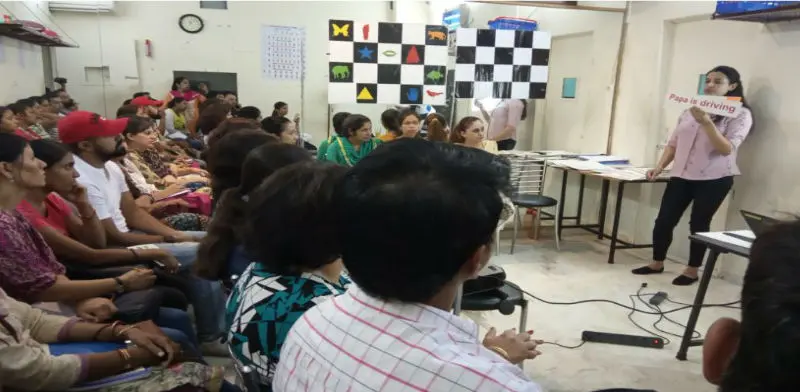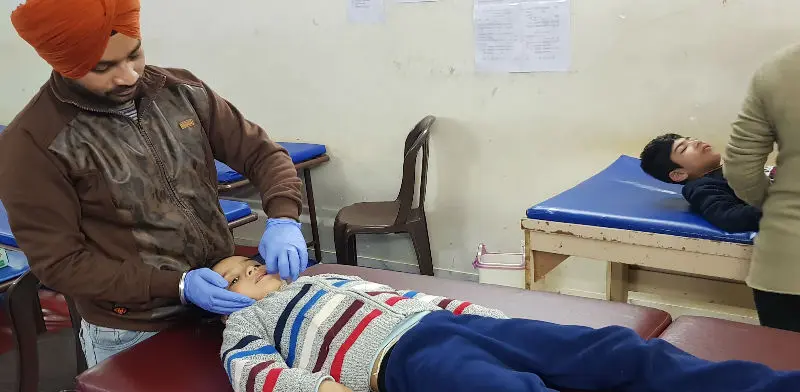


When a child is diagnosed with Down syndrome (Trisomy 21), families often face questions about how to best support their development—especially when it comes to speech, motor skills, learning, and sensory-processing. At IIAHP, we believe that early, consistent, and brain-stimulation-based intervention can make a meaningful difference in the trajectory of a child’s development. Our therapy programs combine specialized early intervention, brain stimulation approaches, and a holistic multidisciplinary team to support children with Down syndrome toward improved independence, learning, and quality of life.
Understanding Down Syndrome and its Developmental Challenges
Down syndrome occurs when a child inherits an extra copy of chromosome 21, leading to a variety of developmental differences. These may include:
- Reduced muscle tone (hypotonia), delayed walking or fine-motor skills
- Speech and language delays (both expressive and receptive)
- Learning difficulties and challenges with memory, attention, or sequencing
- Sensory-processing differences (e.g., how sounds, touch, movement are interpreted)
- Slower progression through developmental milestones compared to typically developing peers
While Down syndrome cannot currently be cured, the window of early brain plasticity offers a valuable opportunity to support children with effective intervention. The earlier we begin, the more potential for significant developmental gains. IIAHP emphasises that “beginning the treatment as soon as possible … creates a big difference in the rate of improvement.”
IIAHP’s Approach: Early Intervention + Brain Stimulation
At IIAHP, our approach for children with Down syndrome centers on three pillars: early intervention, brain stimulation & neuro-developmental therapies, and holistic, multidisciplinary care.
- Early intervention: Our programmes begin as young as infancy or toddlerhood when possible. By engaging the brain’s plasticity early, we can influence the development of motor, sensory, communication and cognitive pathways before delays become more entrenched.
- Brain stimulation & neuro-development: We incorporate therapies that stimulate the brain’s neurological pathways — for example reflex integration, sensory integration, balance/vestibular work, Brain Gym-type activities, and structured motor programs. These are designed to support foundational systems (balance, proprioception, motor control) that underlie higher-level skills such as speech, learning, attention, and coordination.
- Holistic, multidisciplinary care: Because children with Down syndrome often present with a mix of motor, sensory, communication and learning needs, we assemble customised plans that include speech & language therapy, occupational therapy, physical therapy, sensory-integration therapy, academic readiness programmes (reading, maths), and home-carry over support.
Key Therapies Used at IIAHP
Here are some of the core interventions that IIAHP uses in its Down syndrome programme:
- Reflex Integration Program: Retained primitive reflexes can hamper motor development, attention, and coordination. Reflex integration therapy helps the nervous system organise, improving motor control and readiness for learning.
- Balance Board / Vestibular & Proprioceptive Floor Program: These exercises work on body awareness, coordination, rhythm, balance, which supports children in walking, stability, motor planning and independence.
- Sensory Integration & Art Therapy: Many children with Down syndrome experience sensory processing differences. By offering fun, engaging sensory and art-based activities, children learn to regulate input (touch, movement, sound) which in turn supports attention, behaviour, and social interaction.
- Speech & Language Therapy: Targeting articulation, oral‐motor strength, expressive and receptive language, communication skills are central. As speech improves, children gain confidence and ability to engage socially and in learning.
- Academic Enrichment Programmes: Beyond therapy, IIAHP incorporates reading, maths and cognitive readiness programs to help children with Down syndrome build learning skills in preparation for school and beyond.
Why This Approach Matters: Impact on Developmental Domains
Motor & Physical Development
By addressing hypotonia, balance issues and coordination early, children gain greater independence in mobility and daily tasks (e.g., walking, running, using their hands independently). Motor competence is a gateway to more complex activities—free play, peer interaction, exploration.
Communication & Social Skills
As motor and sensory blocks reduce, children are better equipped for speech therapy to take effect. Improved speech opens doors to social engagement: babbling, asking questions, joining peers. The sensory regulation work reduces distractions or shutdowns that can hinder communication.
Cognitive & Learning Skills
When the brain’s foundational systems (motor, sensory, reflexes) are better aligned, the child is better positioned to absorb learning. The academic readiness programmes build on that foundation. Early intervention means the child is more likely to enter school with stronger learning skills, less delayed compared to peers.
Sensory & Behavioural Regulation
Children with Down syndrome often face over- or under-responsive sensory systems. Through sensory integration, children learn to process stimuli more effectively, which can lead to improved attention, fewer meltdowns or avoidance behaviours, and more confidence engaging in school, home and community life.
Getting Started: What Parents Should Know
- Assessment & Individualised Plan: At IIAHP, the first step is a thorough assessment of the child’s current neurological development, reflexes, sensory-motor profile, speech and learning readiness. The plan is tailored to each child’s strengths and challenges.
- Start Early & Stay Consistent: The earlier the intervention begins, and the more consistent the therapy (clinic + home carry-over), the stronger the outcomes. The brain in early years is highly responsive to stimulation and new pathways.
- Family Involvement Counts: Home programs, parent training, continuity between clinic and home are essential for gains to carry over into daily life. IIAHP emphasises home-plan options especially for families coming from afar.
- Holistic View: Look for programmes that address motor, sensory, speech, learning—not just one domain. IIAHP’s multidisciplinary model covers those multiple domains.
- Realistic Expectations with Optimism: While every child is unique and progress varies, meaningful improvements in motor skills, speech, independence and learning readiness are achievable.
- Monitor Progress & Adapt: Regular reassessment helps adapt therapy as the child grows and improves. IIAHP uses developmental profile sheets to track fields like visual/auditory competence, tactile field, mobility, manual competence.
Why Choose IIAHP?
- A broad range of international, research-informed techniques under one roof.
- Customised therapy plans and a dedicated team of therapists trained with latest methods.
- Support for families including home-plan options, parent training, and care for children from various regions.
Focus on early intervention and brain stimulation: the centre emphasises the brain’s ability to change (“the brain has the ability to change both physically and chemically, if given the proper stimulation.”)
Final Thoughts
Supporting a child with Down syndrome is a journey—and the earlier you begin, the more opportunities you create for growth, independence and learning. With IIAHP’s early-intervention and brain-stimulation approach, children are given a foundation to build motor, speech, sensory and learning skills. Families are supported, and children are given every chance to thrive. If you’re seeking a comprehensive, individualized therapy program for your child with Down syndrome, IIAHP offers a powerful option built on holistic, multidisciplinary intervention.